Whitespace

Creative Profile

Most strategy offsites end with a wall of post-its.

Four traits decide whether a room produces something new or recycles what it walked in with. Twenty questions, about four minutes, and you get your own read plus the three things to do about it.

Free. No sign-up to see your result.

Were you in the Porto room?

If you took this at Porto Business School in September, your result is already waiting. Enter the email you gave on the day.
Whitespace

20 questions | about 4 minutes

How you show up
in a room of ideas

Answer for how you actually behave, not how you would like to. The useful number here is the low one.

1, strongly disagree6, strongly agree

Whitespace

1  lowhigh  6
Biggest opportunity

Why this matters now

Your biggest opportunity

Your other three

The rest of your profile

These are working for you already. Worth knowing which, so you can lean on them.

click to discover

The part that matters

A room does not create at its average.
It creates at its lowest score.

Your four numbers are one person. Put three people in a room and you do not get the average of their traits. You get the lowest one in the room, because that is the person who closes the conversation early, or stops offering the half-formed idea, or holds their position until everyone else gives up.

Watch the number as people arrive. Then move the sliders and make it your own room.

People
1
Room average
The room works at

The two colleagues start from the range this cohort actually scored in. Drag them to match the people you really sit with, or add your own. Set each slider to how they behave in the room, not how they would describe themselves. This is arithmetic, not a prediction: it shows the lowest score present.

What it costs

A full day of work.
A ten per cent idea.

A room at its lowest score searches close to where it already is. It finds the improvement quickly, everyone agrees because the improvement is reasonable, and the session ends on time.

Options explored
0
Options available
48
Gain on the one it picked
0%

Marginal gains, agreed quickly, by capable people. Effort was never the constraint.

What we are hired to do

1

Measure the room

The same twenty questions, run on your team. We find the lowest score, whose it is, and agree the real problem.

2

Design the session

Which conversations, in what order, with what constraints and what incentives.

3

Run the workshop

One to two days, facilitated. The structure does the work, so the quiet ideas get said.

4

Decide and plan

You leave with decisions, owners and dates. Not themes, not a deck, not a wall of post-its.

Ideas said out loud
0
Unobvious connections
0
Worth building
0

One more thing

A good session is chemically addictive

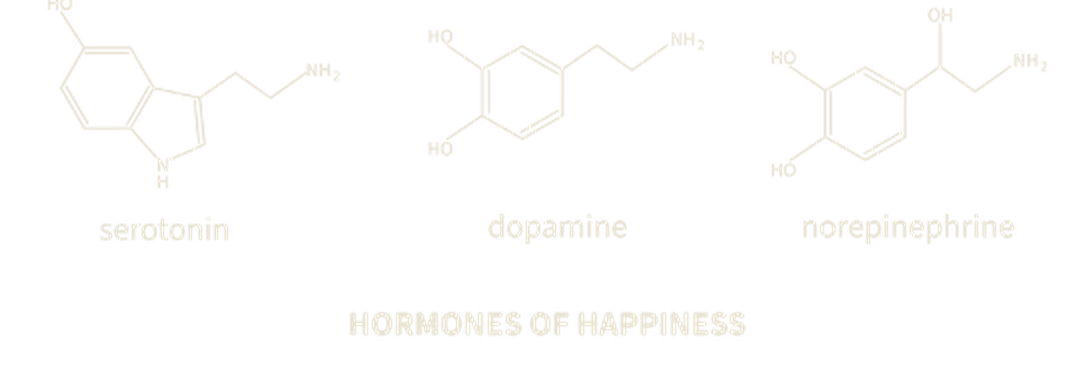
Working a hard problem with other people lifts serotonin, dopamine and norepinephrine at the same time. That is the feeling of walking out of a session that went well, and the reason people ask when the next one is. A document does not do it. A chat window does not do it. It comes from a room with people in it.

Serotonin, dopamine and norepinephrine

If that is not where you are

Take the pattern with you

The Monday Problem is five patterns that kill good decisions in the week after they are made, and how to tell which one is running where you work. It is the written version of what we look for before we design a session.

You will also get the Whitespace note when there is something worth sending. Unsubscribe any time.

The four traits are adapted from Andy Stefanovich, Look at More. The twenty questions and this scoring are Gabriel Campillo's own. Scored 1 to 6, with the eight negatively worded questions reverse scored.

Whitespace | whitespace.academy | Strategy that survives a Tuesday.